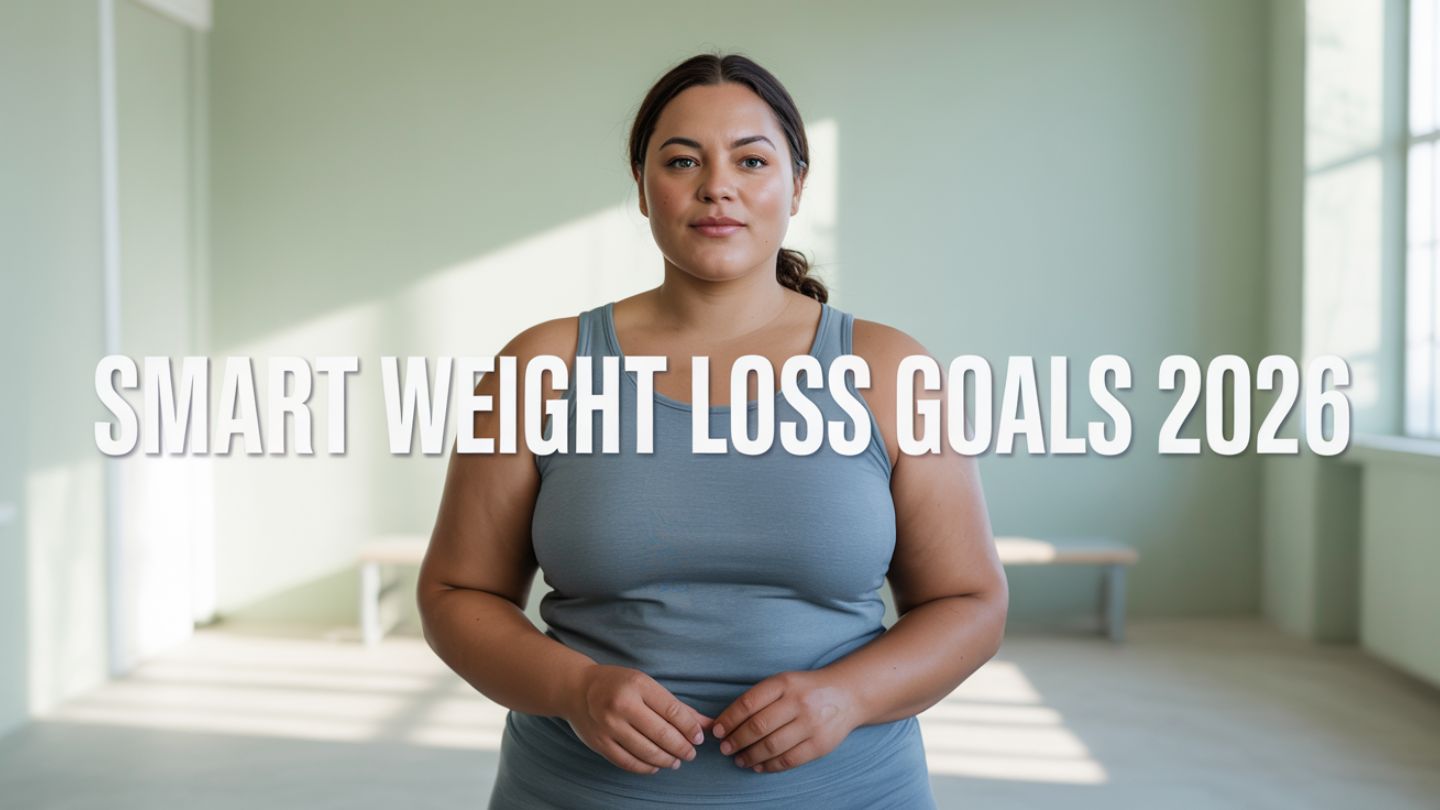
Setting health goals is one of the most powerful steps you can take toward improving your overall well-being. With 2026 already here, many people are motivated to focus on weight loss, yet struggle to turn intentions into results. The key difference between success and frustration often comes down to how goals are defined. Learning to create SMART weight loss goals and achieving them in 2026 provides structure, clarity, and accountability that make progress sustainable rather than short-lived.
Weight loss is not just about dropping a number on the scale; it’s about building a healthier lifestyle, improving body composition, and maintaining long-term results. By using the SMART framework, you can turn a broad goal into a clear plan that supports healthy weight loss and lasting change.
Why Traditional Weight Loss Goals Often Fail
Many people begin their weight loss journey with enthusiasm, but lose motivation when results don’t come quickly. This often happens because goals are vague, unrealistic, or based solely on appearance. Statements like “I want to lose weight” or “I want to get fit” lack direction and measurable progress.
Unrealistic goals can also backfire. Trying to lose too much weight too fast may lead to weight gain later, burnout, or unhealthy habits. A SMART weight loss goal keeps expectations grounded while allowing flexibility for real life. This is the hardest part for all of my recovering perfectionistic women out there, I see you.
When you understand how to set and achieve SMART weight loss goals in 2026, you move away from extremes and toward consistent, achievable progress that supports both physical and mental health. And more importantly, you learn how to slow yourself down and make goals that not only improve your health, but also improve your confidence. That looks great on everyone!
What Does SMART Mean for Weight Loss?
SMART goal setting transforms intentions into action. The SMART framework ensures your weight loss goals are:
- Specific
- Measurable
- Achievable
- Relevant
- Time-bound
Rather than chasing a broad goal, SMART weight loss goals focus on clarity and sustainability. This approach supports motivation, builds confidence, and encourages healthier habits that last beyond a single year. And yes, realistic is the HARDEST part for many of my women.
Step 1: Create a Specific and Clear Weight Loss Goal
A specific goal answers the “what” and “why” behind your effort. Instead of saying you want to lose weight, define exactly what success looks like. For example, improving body composition, reducing body weight by a certain pound range, or fitting into a healthier routine.
A clear goal provides direction and prevents confusion. It also helps you distinguish between an outcome goal, such as reaching a weight goal, and the daily behaviors that support it.
Specific goals are especially important for those navigating a weight loss journey influenced by lifestyle change, stress, or hormonal shifts.
Step 2: Make Your Goal Measurable and Track Progress
A measurable goal allows you to track progress and stay engaged. This could include pounds lost, inches reduced, or improvements in fitness and energy levels.
Tracking doesn’t have to be obsessive. Monitoring body weight, calories, or fitness benchmarks can offer valuable insight without becoming overwhelming. Small improvements over time contribute to sustainable weight loss and help prevent discouragement.
Measuring progress also allows you to adjust your approach when needed, which is essential for long-term weight management.
Step 3: Ensure Your Goal Is Achievable and Realistic
An achievable goal is challenging yet realistic. While it’s tempting to chase a big goal quickly, smaller goals are more effective for lasting results. Losing weight gradually supports healthier habits and reduces the risk of weight gain rebound.
A realistic goal considers your schedule, health needs, and personal responsibilities. For many people, combining short-term goals with a larger goal creates balance and keeps motivation steady.
Achievable goals reinforce confidence and make weight loss success feel attainable rather than overwhelming.
Step 4: Align Your Goal With Your Health and Lifestyle
Relevance matters. Your weight loss goals should support your overall health goals, not disrupt your life. Weight management works best when it complements your daily routine and supports a healthy lifestyle.
This is where professional guidance can make a difference. Personalized approaches such as weight loss management often help individuals align goals with medical needs, metabolism, and lifestyle factors, leading to healthier outcomes and consistent progress.
When goals reflect your values and priorities, motivation becomes internal rather than forced.
Step 5: Set a Time-Bound Plan That Encourages Consistency
Time-bound goals create urgency without pressure. Setting a realistic timeframe helps you stay focused while allowing flexibility. Rather than aiming for instant results, consider how losing weight over several months supports sustainable weight loss.
Breaking a larger goal into smaller goals makes progress manageable. This approach reinforces healthy habits like mindful eating, balanced nutrition, and regular fitness routines.
Time-bound plans are especially effective when paired with structured support such as weight loss nutrition, which emphasizes healthy fats, balanced calories, and long-term lifestyle change rather than restriction.
Supporting Your SMART Goals With the Right Strategy
SMART weight loss goals work best when supported by the right tools and guidance. Exercise goals, fitness routines, and mindful eating habits all contribute to progress, but consistency is key.
For individuals seeking structured options, non-surgical weight loss provides support that focuses on healthy weight loss without invasive procedures. These approaches often address metabolism, behavior, and nutrition simultaneously, which strengthens goal-setting outcomes.
Medical oversight can also be beneficial for those dealing with weight gain, plateaus, or health concerns. Medical weight loss programs often help align SMART goal setting with evidence-based strategies tailored to individual needs.
How to Stay Motivated Throughout Your Weight Loss Journey
Motivation fluctuates, which is normal. The key is building systems that keep you moving forward even when enthusiasm fades. Revisiting your clear goal, tracking measurable progress, and celebrating small wins reinforce commitment.
Healthy habits such as consistent sleep, balanced meals, and regular movement support both physical and mental resilience. Remember that weight loss is not linear; progress includes learning, adjusting, and recommitting. A SMART weight loss goal supports long-term success by focusing on progress, not perfection.
Final Thoughts
Learning how to create SMART weight loss goals for 2026 is essential for turning intentions into lasting results. Throughout this guide, we’ve shown how using the SMART framework helps you set clear, specific, and achievable weight loss goals that support healthy habits, realistic timelines, and sustainable progress. By focusing on measurable outcomes, motivation, and lifestyle change, you can move beyond short-term fixes and build a weight loss journey that improves your overall health and confidence.
If you’re ready to take the next step toward lasting change, our weight loss programs in Spokane are designed to support your goals with medical expertise, personalized plans, and ongoing accountability. I work closely with you to create realistic strategies that fit your lifestyle and health needs. Contact me today to learn how we can help you achieve your SMART weight loss goals and build a healthier future in 2026.